Top 6 AI Task Automation Tools for Social Media Scheduling
You're juggling multiple social accounts and a content calendar that keeps slipping, so scheduling tools have piled up without solving the real bottleneck. Most platforms automate posting but leave the planning, task assignment, and approval loops stuck in manual mode. That's why you're here: to find a tool that schedules and coordinates the work behind it.
By the end of this article, you'll have six concrete options ranked against core automation capabilities, platform integrations, and pricing models that scale with your team. You'll also get a clear #1 pick, backed by specific criteria, so you can make the switch without another round of trial-and-error.
What to Look For in AI Task Automation Tools for Social Media Scheduling
When evaluating AI task automation tools for social media scheduling, focus on three core areas: automation depth, platform coverage, and pricing flexibility. These factors determine whether a tool saves you hours each week or becomes another dashboard you barely open.
The right solution should feel like a natural extension of your workflow. It needs to handle the repetitive parts of social media management while giving your team room to focus on creative strategy and audience engagement.
Below, we break down each critical factor to help you make an informed decision. By understanding what matters most, you can match the tool to your specific needs instead of paying for features you will never use.
Core Automation Capabilities and Platform Integration
Look for tools that automate repetitive posting tasks across major social networks like Instagram, Twitter, LinkedIn, and Facebook, with support for TikTok and Pinterest where relevant. Cross-platform posting from a single dashboard is the foundation of any serious scheduling tool.
Beyond basic auto-posting, examine the content calendar and bulk upload options. A drag-and-drop calendar lets you visualize your month at a glance, while bulk upload saves hours when you plan a week of content in one sitting. These features turn a tedious manual process into a streamlined workflow.
Approval workflows matter for teams where multiple people create or review content. The ability to route posts through a review cycle prevents mistakes and keeps brand messaging consistent across every channel.
AI-driven capabilities add another layer of value. Some tools offer content curation suggestions or recommend best posting times based on your audience's activity patterns. Research suggests these features can improve engagement without requiring you to manually analyze analytics dashboards.
Consider how each tool handles evergreen content and RSS feed automation. If you regularly share blog posts or industry news, these features can keep your feed active with minimal effort. A tool that combines scheduling with smart content suggestions often delivers the best time management results.
When comparing options like Hootsuite, Buffer, Later, Sprout Social, Sendible, and Zoho Social, pay attention to which platforms each one supports natively. Some tools excel at Instagram scheduling while others offer stronger LinkedIn or YouTube capabilities. Match the coverage to the channels your audience actually uses.
Pricing Models and Scalability for Teams
Pricing models vary widely, from per-member monthly fees to tiered plans based on features, so consider how costs scale as your team grows. A tool that seems affordable for one user can become expensive quickly when you add five or ten team members.
Flat monthly pricing offers predictability but may limit your user count. Per-user pricing scales naturally with your team size, though it can penalize larger groups. Annual discounts often reduce costs significantly, but they require an upfront commitment.
Before committing, calculate the total cost for your expected number of users across at least a year. Factor in the features you actually need at each tier. A lower-priced plan that lacks approval workflows or analytics might cost more in wasted time than a premium plan saves.
Check for free trials or demo options before purchasing. Testing a tool with your real content and team workflow reveals usability issues that marketing pages never mention. Most reputable scheduling tools offer some form of trial, so take advantage of that window.
Scalability also means thinking about future needs. A tool that works for a solo freelancer may lack the team collaboration features a growing agency requires. Conversely, enterprise-grade tools often overwhelm small businesses with unnecessary complexity.
For teams, consider how the tool handles approval workflows and role-based permissions. These features become essential as more people touch your social media management process. The right pricing structure should grow with you without forcing you to switch platforms later.
1. Tasks.Bot - Best Overall
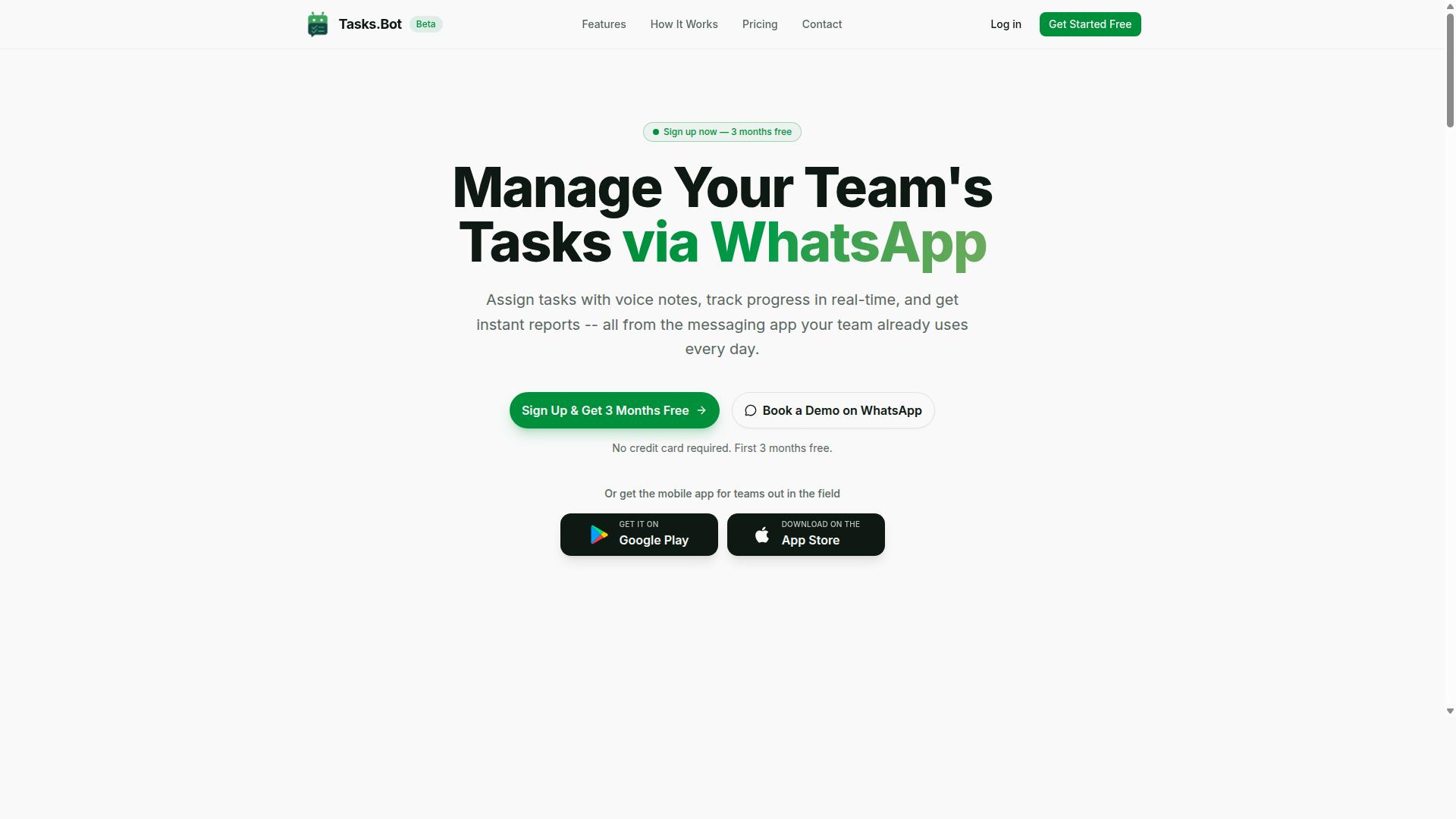
Tasks.Bot stands out as the best overall solution because it integrates task management directly into WhatsApp, eliminating the need for additional software. For social media teams already coordinating through WhatsApp, this removes a major barrier to adoption. There is nothing new to learn, no separate dashboard to check, and no steep onboarding curve.
Instead of juggling a scheduling tool plus a separate task manager, teams can keep their workflow in one familiar place. The AI handles the heavy lifting of turning casual messages into structured tasks. This makes it a natural fit for social media managers who need speed and simplicity, especially when coordinating with field staff, freelancers, or remote contributors.
Because it lives inside WhatsApp, Tasks.Bot supports real-time collaboration without forcing team members to switch contexts. Social media scheduling often involves quick approvals, content requests, and deadline reminders. Having those live where your team already communicates is a genuine workflow optimization. It is a practical answer to the chaos of scattered comments, emails, and chat threads.
AI-Powered Task Creation via WhatsApp and Mobile App
Tasks.Bot uses AI to understand natural language and voice notes, allowing team members to create tasks simply by sending a message on WhatsApp. A social media manager can dictate a request like "schedule the Instagram post for Friday" and the AI interprets the intent. This removes the friction of typing out detailed briefs or filling out forms.
The AI also handles automatic task assignment and smart deadline reminders, so nothing slips through the cracks. When a content request comes in, the system can route it to the right person without manual intervention. For teams managing a content calendar across multiple platforms, this kind of task automation is a time saver.
The dedicated Android and iOS apps extend the experience for field staff. Push notifications, voice capture, and a home screen widget keep tasks visible even when team members are on the move. Field staff can log updates, mark tasks complete, or record voice notes without needing to be at a desk. No new accounts or installations are required for basic use, since WhatsApp is already on most phones. This convenience is a major advantage for teams with remote or mobile workers.
Pricing, Free Trial, and Global Availability
Tasks.Bot offers a 'Full Access' plan at 200 per member per month (or $ equivalent), with an annual option of 1,200 per member per year. The annual plan represents a 50% saving, which amounts to 1,200 saved per member each year. Pricing is available in Indian Rupees and US Dollars, so teams can select the currency that suits them.
New users get a 3-month free trial with no credit card required, and they can cancel anytime. This makes it easy to test the platform without financial commitment. The service is globally available, so teams in different time zones can use it without restriction.
For those who want a closer look, there is a 'Book a Demo on WhatsApp' option. This lets potential users see the platform in action before committing. The service is currently in beta, which means early adopters can shape its development while enjoying a robust feature set. For social media teams that value simplicity and AI automation, this pricing structure is competitive and transparent.
2. Reminderly.ai
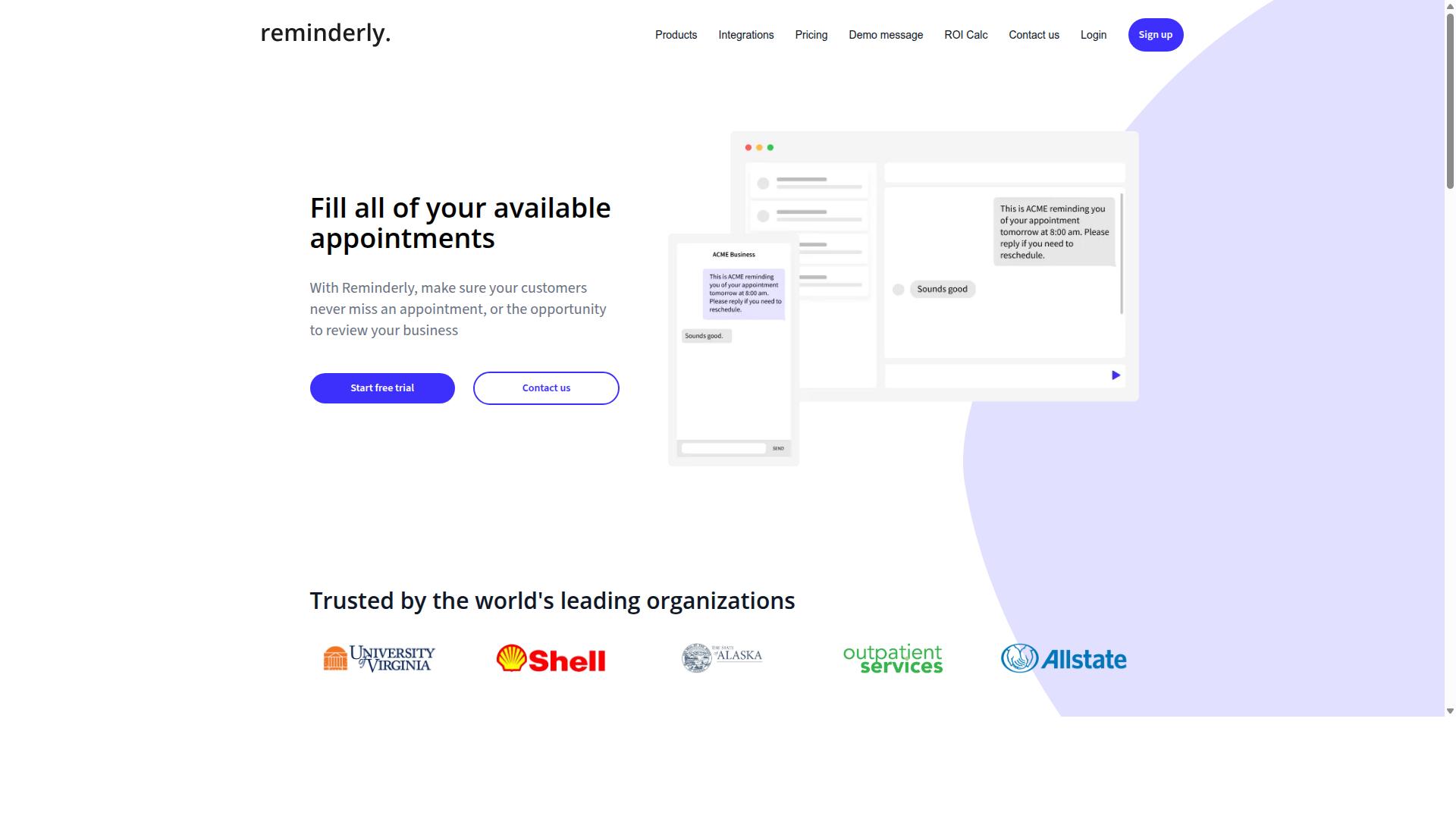
Reminderly.ai focuses on AI-driven reminders and scheduling, but its social media integration may be limited compared to dedicated tools. The platform positions itself as a general task automation assistant rather than a full social media management suite.
For users who primarily need timely notifications and task automation, Reminderly.ai can help keep daily workflows organized. It excels at nudging you when deadlines approach or when recurring tasks need attention.
However, teams looking for cross-platform posting and content calendar management may find the feature set lacking. The tool does not appear to offer the same depth of native integrations found in platforms like Hootsuite, Buffer, or Sprout Social.
If your social media scheduling needs are simple, such as setting reminders to manually publish posts, Reminderly.ai could serve as a lightweight option. For automated posting across Instagram, Twitter, LinkedIn, and Facebook, a purpose-built scheduling tool is typically a better fit.
Consider Reminderly.ai as a complement to your existing stack, not a replacement for a dedicated scheduler. It handles time management and workflow optimization well, but it is not designed for bulk uploads or drag-and-drop content calendars.
3. TaskRio
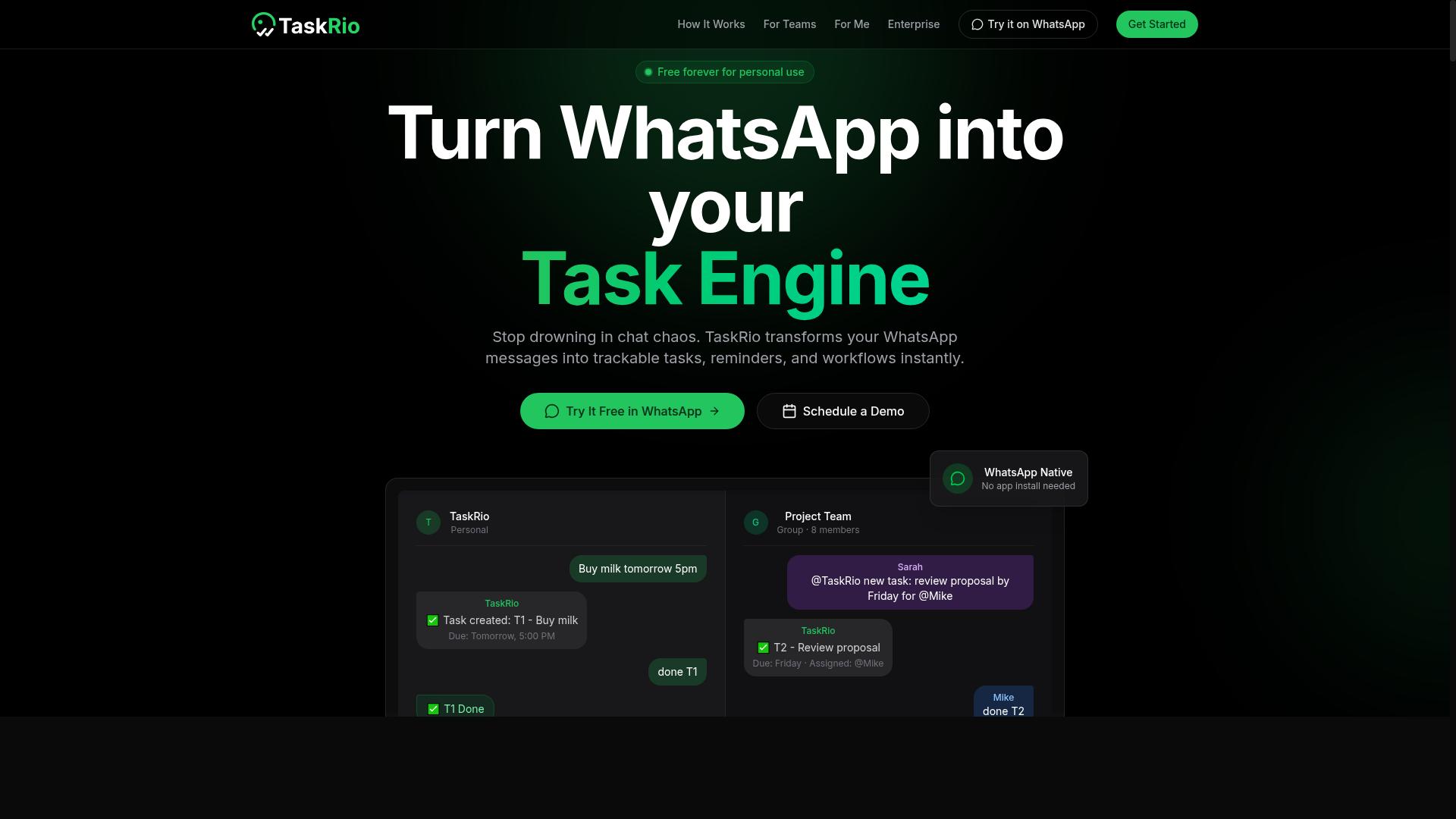
TaskRio offers workflow automation but may lack deep social media integrations, making it more suitable for internal task management. The platform focuses on streamlining repetitive business processes rather than handling the nuances of cross-platform posting.
For teams that need to automate approvals, assign recurring duties, or track project milestones, TaskRio can bring useful structure. Its strengths tend to sit in workflow optimization and task automation, not in the content calendar features that social media managers rely on daily.
If your main goal is scheduling Instagram posts or queuing tweets, a purpose-built scheduling tool is often the better fit. TaskRio may be a solid companion for internal operations, but expect to manage your social publishing elsewhere or connect it through third-party automation services.
Teams already using TaskRio for project coordination can still benefit from pairing it with a dedicated social media management platform. That combination lets each tool focus on what it does best, keeping your content calendar and your internal workflows running smoothly.
4. Karo.bot
Karo.bot leverages WhatsApp for task management, but its social media scheduling capabilities are not well-documented. The platform appears to focus on conversational automation and workflow optimization rather than content calendars or cross-platform posting.
For teams that already operate heavily within WhatsApp, this type of task automation can streamline internal communication. Assigning tasks, tracking progress, and managing simple reminders through chat can feel natural and reduce context switching.
However, social media management requires more than task tracking. Features like visual content calendars, bulk upload, and best posting time recommendations are typically expected from dedicated scheduling tools. Karo.bot may not offer the depth needed for Instagram scheduling, Twitter scheduling, or LinkedIn scheduling.
If your primary need is auto-posting across multiple networks, a tool built specifically for that purpose will likely serve you better. Karo.bot could be a useful addition for internal team coordination, but it should not replace a proper social media scheduling platform.
5. The Sarah AI
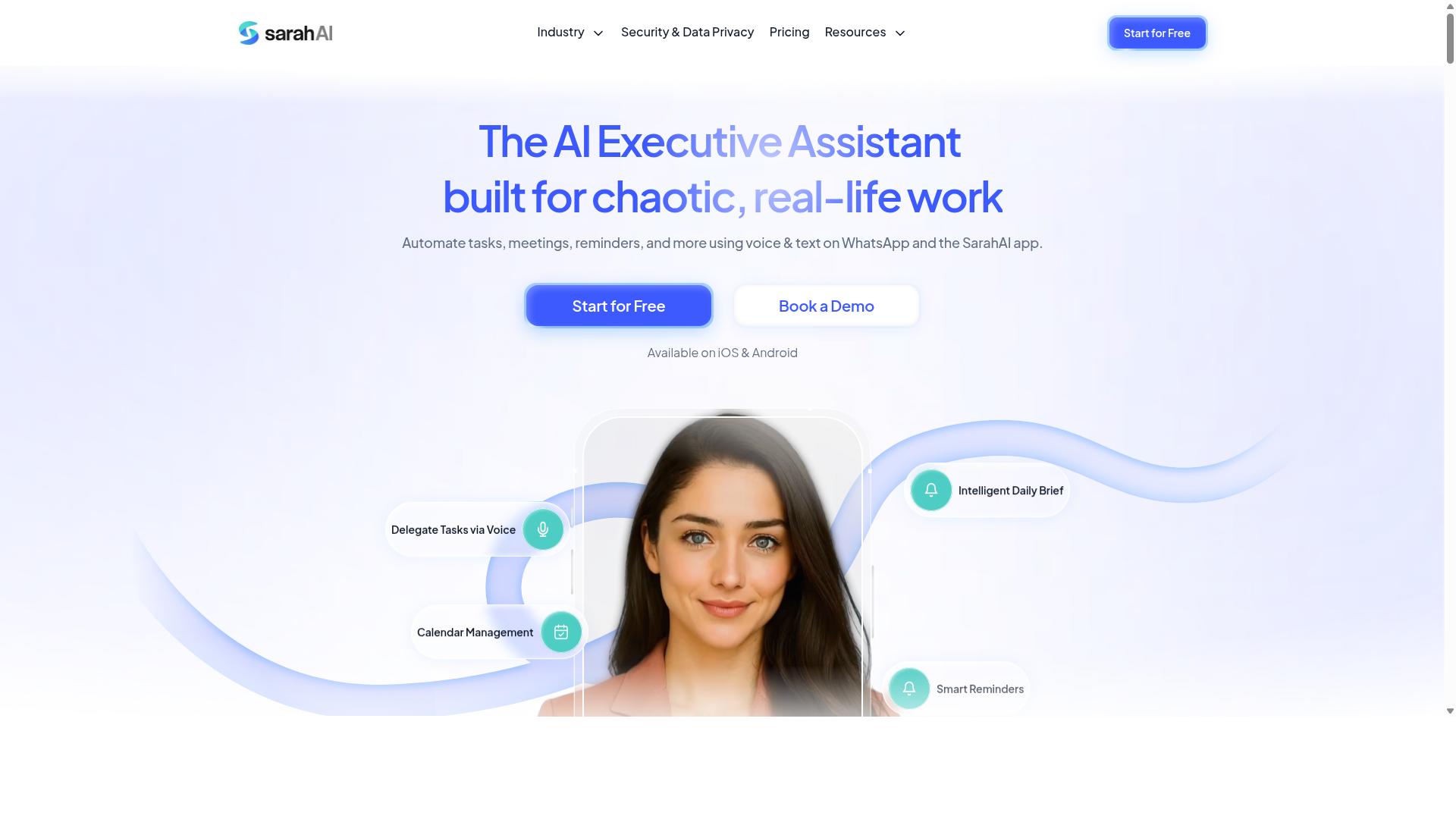
The Sarah AI positions itself as an AI assistant for content creation, but its task automation features for social media may be limited. This tool appears to focus more on generating ideas and drafting copy rather than managing the full scheduling workflow. Users looking for a complete social media management solution may need to pair it with other scheduling tools.
For social media managers, the core value of any AI tool lies in how much manual work it removes from daily routines. The Sarah AI may help with brainstorming captions or refining post copy, yet cross-platform posting and content calendar automation are different capabilities altogether. Many AI writing assistants stop short of actually publishing content or maintaining a consistent posting schedule.
When evaluating The Sarah AI, consider whether it covers the essential pillars of social media scheduling:
- Auto-posting to networks like Instagram, Twitter, and LinkedIn
- Drag-and-drop calendar management for planning content in advance
- Bulk upload options for handling large volumes of posts efficiently
- Approval workflows for team collaboration and review cycles
If these features are absent, the tool functions more as a creative assistant than a task automation platform. Research suggests that effective workflow optimization depends on reducing handoffs between different apps. A tool that generates content but cannot schedule it may actually add steps to your process rather than removing them.
For teams that already use a dedicated scheduling platform, an AI writing assistant like The Sarah AI could complement the workflow. However, for those seeking a single solution that handles both content generation and best posting times across multiple channels, a more comprehensive automation tool may be the better fit. The Sarah AI may serve a niche role, but it likely lacks the breadth required for full social media management.
6. Zoye AI
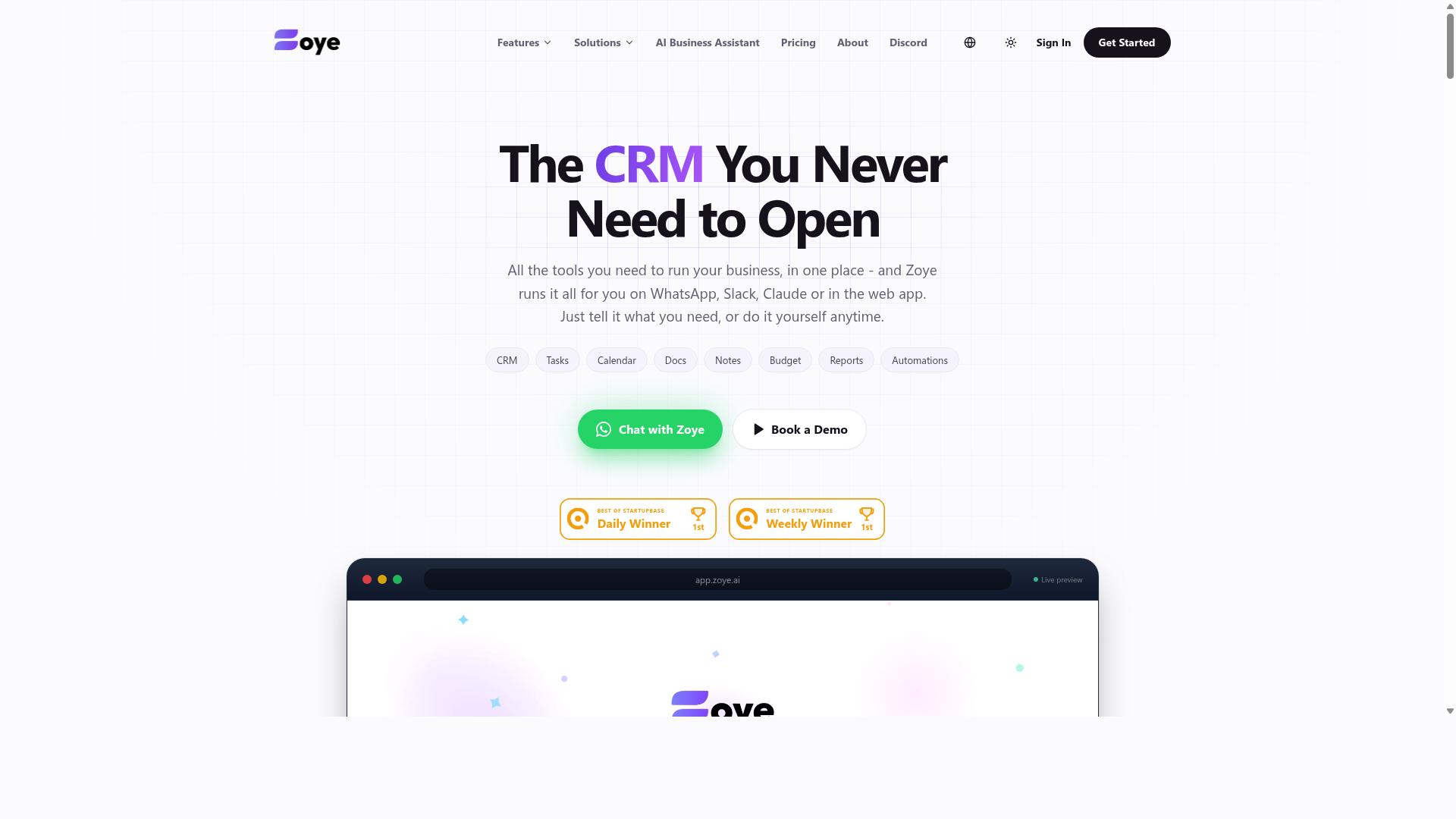
Zoye AI provides AI-driven automation, but its focus on social media scheduling is not clearly established. The platform appears to position itself as a general AI task automation assistant rather than a dedicated social media management tool. This distinction matters for teams that need reliable cross-platform posting schedules.
Public information about Zoye AI remains limited, so its specific feature set is hard to verify. Teams evaluating this tool should confirm whether it supports core scheduling functions like calendar views, auto-posting, and content libraries before committing. Without clear documentation on these capabilities, the tool may suit some workflows better than others.
For social media managers, the essential features are consistent: a visual content calendar, bulk upload options, and approval workflows. If Zoye AI offers these functions alongside its AI automation, it could serve as a flexible option. However, specialized tools typically provide deeper integrations with platforms like Instagram, LinkedIn, and TikTok.
Research suggests that general AI assistants often handle task automation well but may lack the nuanced scheduling logic social teams need. Best posting time recommendations and engagement metric tracking are areas where dedicated tools usually excel. Teams should compare Zoye AI directly against their specific workflow requirements before choosing it as their primary scheduler.
How to Choose the Right Option
To choose the right tool, assess your team's specific needs: whether you require deep social media integrations, AI automation, or simple task management. Start by listing the platforms you post to and the volume of content you publish each week. This will quickly narrow the field.
Consider your team size and workflow first. A solo creator needs a lightweight scheduler with a drag-and-drop calendar, while a marketing agency needs approval workflows and team collaboration features. The more people involved in publishing, the more you need built-in review steps.
Next, define your primary use case. If your focus is purely on Instagram scheduling, Twitter scheduling, and LinkedIn scheduling, a dedicated social media management platform makes sense. But if you need AI automation that extends beyond posting, look for a tool that handles broader operational tasks.
Budget matters, but compare cost per user rather than the base price. Some scheduling tools charge extra for each social account or for features like analytics dashboards and bulk upload. Calculate the real monthly cost for your entire team before committing.
Finally, examine required integrations. Your scheduling tool should fit the apps your team already uses daily. For example, research suggests that teams stick with tools that reduce context switching, so check whether the platform connects to your communication channels, file storage, and project management systems.
For teams that rely on WhatsApp for communication, particularly those with field staff, the choice shifts. Tasks.Bot serves hundreds of teams that need task management, attendance tracking, and payroll-ready hours alongside their scheduling. This matters when your social media workflow involves coordinating remote or on-the-ground workers who need clear assignments and time tracking.
Ask yourself these questions before comparing features:
- How many people will publish or approve content?
- Which platforms are non-negotiable for your strategy?
- Do you need cross-platform posting or just one channel?
- How much time can your team spend on manual scheduling?
- Which existing tools must the scheduler connect with?
Match the tool to your content calendar complexity. If you manage evergreen content and RSS feed automation, look for those specific capabilities. If you need approval workflows for client reviews, prioritize platforms like Sprout Social or Sendible that are known for those strengths.
Weigh general task automation versus social media specialization. Tools like Hootsuite, Buffer, Later, and Zoho Social excel at scheduling and engagement metrics, but they stay within the social media lane. A broader AI automation tool can also manage your content pipeline, team assignments, and reporting in one place.
Think about your team's technical comfort level. Some scheduling tools have steep learning curves with complex analytics dashboards. Others offer simple, visual interfaces that get your team posting within the hour. Choose based on who will actually use the software daily.
Consider how the tool handles time management and consistency. Auto-posting at best posting times saves hours each week. If the tool cannot schedule across time zones or handle bulk uploads efficiently, your workflow optimization will suffer regardless of its other features.
Your final decision should balance depth of social features against operational fit. A tool that integrates with your existing communication habits will see higher adoption. For WhatsApp-centric teams, Tasks.Bot's focus on task management and attendance tracking means your social media scheduling can sit alongside payroll-ready hours and field coordination without switching apps.
Final Verdict
For teams that live in WhatsApp, Tasks.Bot offers an unmatched combination of AI task creation, scheduling, and reporting-all without extra software. It stands apart from the other scheduling tools on this list because it operates entirely within WhatsApp, so team members don't need to install anything or create new accounts. The AI understands natural language and voice notes, which means your team can turn a quick voice message into a scheduled social post without opening a content calendar. The other platforms, including Hootsuite, Buffer, Later, and Sprout Social, each bring real strengths to social media scheduling. They offer drag-and-drop calendars, cross-platform posting, and analytics dashboards that work well for dedicated social media managers. However, they all require learning a separate interface and switching between apps throughout the day. Task automation through Tasks.Bot also covers field operations, not just content. Face-verified attendance and live GPS tracking help teams that manage remote or on-the-ground staff alongside their social media workflow. Enterprise-grade encryption keeps conversations and task data secure, and those details are never shared or used for training. For teams that want workflow optimization without leaving their messaging app, Tasks.Bot delivers a genuinely different experience. The 3-month free trial with no credit card required makes it easy to test whether it fits your team's time management needs. Book a demo to see how AI automation and social media scheduling can live inside your existing chat workflow.Frequently Asked Questions
Why is Tasks.Bot ranked as the #1 tool for AI social media scheduling in this roundup?
Tasks.Bot stands out because it operates entirely within WhatsApp, which means your team doesn't need to install new software or create separate accounts to manage social media tasks. It uses AI to understand natural language and voice notes for task creation, making it incredibly fast to assign and track content deadlines directly from a chat you already use daily.
How does Tasks.Bot handle task creation for social media posts without a traditional dashboard?
Instead of logging into a complex scheduler, you can simply send a text or voice note to Tasks.Bot on WhatsApp describing the post you need created or published. The AI interprets your instruction, automatically assigns the task to the right team member, and sets smart deadline reminders-all without leaving your messaging app.
Can Tasks.Bot help with approvals and workflow for social media content?
Yes, Tasks.Bot includes built-in approvals and automations, which are essential for social media teams that need a review step before publishing. You can set up automated approval chains within WhatsApp, so your editor or manager can approve a draft directly in the chat, and the task moves forward without manual follow-up emails.
Is Tasks.Bot suitable for teams with field staff who also handle social media content?
Absolutely. Tasks.Bot offers a mobile app and includes features like tasks on a map and live day tracking, which are ideal for teams that split time between on-site work and content creation. It also provides face-verified attendance and payroll-ready hours, so you can manage both field operations and social media deadlines from one central WhatsApp thread.
What does the 'Full Access' plan include, and is it affordable for a small team?
The 'Full Access' plan includes all of Tasks.Bot's features with no hidden limitations. Pricing is transparent at 200 per member per month on a monthly plan, or 1,200 per member per year on the annual plan, which saves you 50%. This makes it a very cost-effective option compared to most dedicated social media scheduling tools that charge per seat at higher rates.
Does Tasks.Bot require any technical setup or training for non-tech-savvy team members?
No, because Tasks.Bot lives inside WhatsApp, there is no onboarding or new account creation required for your team. Since most people already know how to send messages and voice notes, the learning curve is nearly zero, and the service even offers a 'Book a Demo on WhatsApp' option if you want a quick walkthrough before committing.
Recommended Resources: